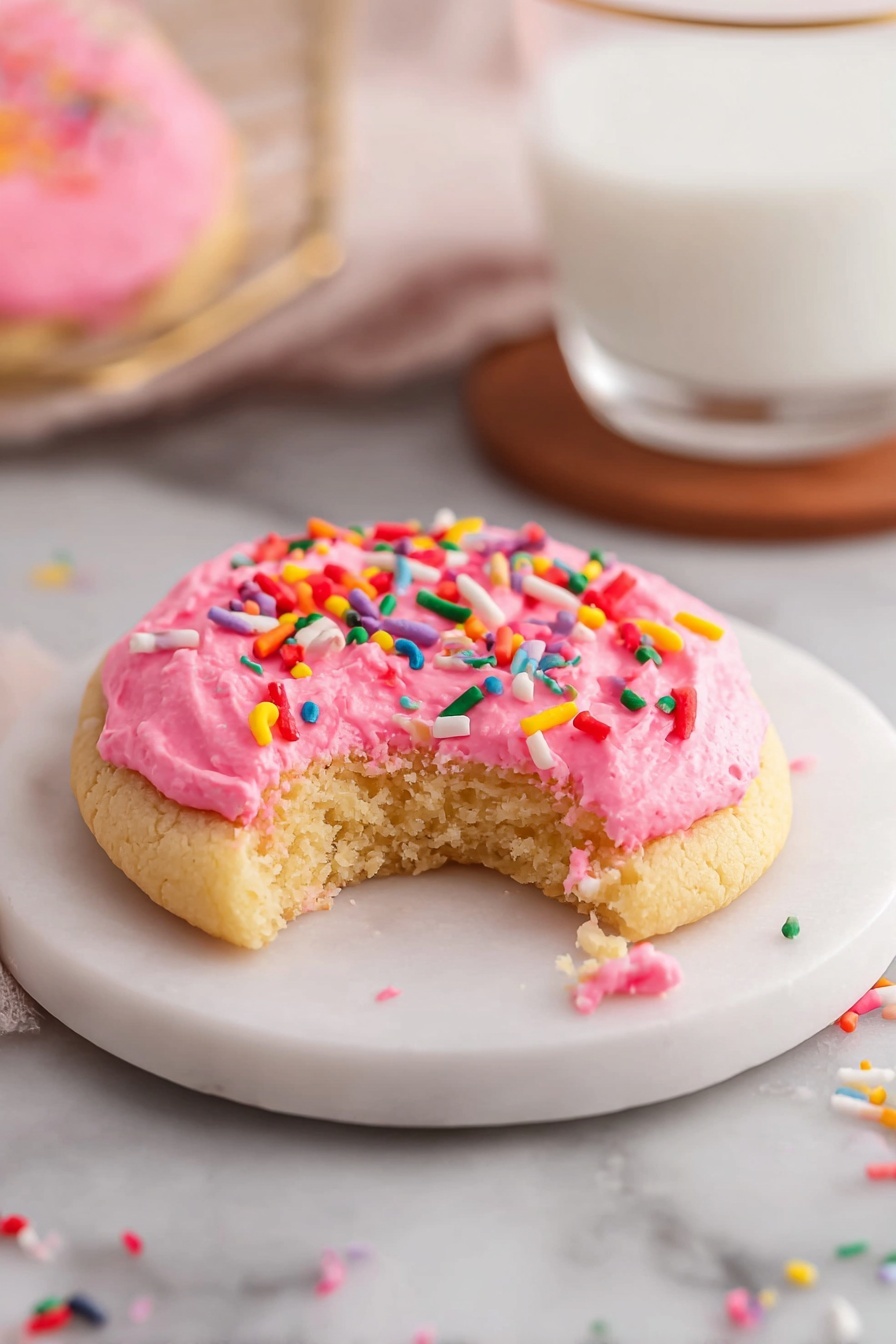
Soft, Tender, & Never-Spread: Your Guide to Perfect Sugar Cookies
There's a universally acknowledged heartbreak in the baking world: the moment your beautifully cut sugar cookie dough melts into an amorphous blob in the oven. You envision perfectly crisp edges and intricate designs, only to pull out a sheet of indistinguishable, spread-out shapes. If you’ve ever wondered how bakeries consistently produce those pristine, picture-perfect frosted sugar cookies that hold their form with elegant precision, prepare to unlock the secrets. What once seemed like an elusive professional skill is, in fact, a series of simple, patient steps that anyone can master. This comprehensive guide will walk you through crafting truly soft, tender, and never-spread sugar cookies, transforming your baking from frustrating to phenomenal.The Undeniable Secrets to Sugar Cookie Perfection
The cornerstone of achieving truly perfect frosted sugar cookies every time isn't a magical ingredient or an arcane technique; it's about understanding the foundational science behind your bake. The two most critical factors often overlooked are proper dough chilling and the precise temperature of your butter.Chilling the Dough: The Non-Negotiable Step
Imagine butter as a solid at room temperature, but as it heats, it softens and eventually melts. In the oven, if your cookie dough isn't sufficiently chilled, the butter in it will soften and melt too quickly, causing your cookies to spread out before the flour and egg have a chance to set their structure. Chilling the dough solidifies the butter, locking it into place. This gives your cookies a structural head start in the heat of the oven, allowing them to bake and set before the butter has a chance to liquify and cause havoc. We recommend a minimum of 60 minutes, but often prefer 2-3 hours, or even overnight, for optimal results. Don't rush this step – patience here truly pays off with perfectly defined edges.
Butter Temperature: The Goldilocks Zone
The phrase "room temperature butter" is often misinterpreted. You don't want butter that's greasy or starting to melt. Instead, it should be softened enough that your finger leaves an indentation when pressed, but still firm enough to hold its shape. This ideal consistency allows the butter to cream effectively with sugar, incorporating air that contributes to a tender crumb, without being so soft that it compromises the dough's stability and leads to spreading. Typically, leaving cold butter out for 30-45 minutes (depending on your kitchen's temperature) will achieve this perfect state.
The Art of Slightly Underbaking
For that coveted soft and tender texture, avoid overbaking. Sugar cookies should be removed from the oven when their edges are just barely golden and their centers still look a little soft. They will continue to "bake" for a few minutes on the hot baking sheet through residual heat (known as carry-over baking). Transferring them to a wire rack after a few minutes allows them to cool completely, resulting in a cookie that is chewy, never brittle, and won't crack when bitten or frosted. This meticulous balance ensures your perfect frosted sugar cookies that don't spread also melt in your mouth.
Mastering Your Ingredients: What You Really Need
While technique is paramount, the quality and type of your ingredients play a crucial supporting role. Here's a breakdown of what you'll need for stellar results:
- Unsalted Butter: Always opt for unsalted butter. This gives you complete control over the total salt content in your recipe. As discussed, ensure it's at that ideal "softened but firm" temperature.
- Granulated Sugar: This provides the classic sweetness and helps create the desired texture. Avoid powdered sugar in the dough, as it contains cornstarch which can alter the final crumb.
- Large Egg: Acts as a binder, bringing all the ingredients together and adding richness.
- Pure Vanilla Extract: Don't skimp here! Real vanilla offers a depth of flavor that imitation simply can't match, elevating your cookies from good to unforgettable.
- All-Purpose Flour: The workhorse of baking, all-purpose flour provides the perfect balance of gluten structure. Bread flour makes cookies too tough, while cake flour can make them too delicate and crumbly. Remember to measure flour correctly by spooning it into your measuring cup and leveling it off, rather than scooping directly from the bag.
- Baking Powder: A touch of baking powder provides a subtle lift, giving the cookies a slight puffiness without making them cake-like.
- Salt: A pinch of salt is essential for balancing the sweetness and enhancing all the other flavors in the cookie.
- For Decorating: Your choice of frosting (royal icing for a hard, crisp finish, or buttercream for a softer, richer taste), along with sprinkles, edible glitter, colored sugar, or food coloring for endless creative possibilities. Don't forget cookie cutters in whatever festive or fun shapes you desire!
Step-by-Step: Crafting Your Flawless Sugar Cookie Dough
Let's roll up our sleeves and bring these ingredients together with precision.
- Cream Butter and Sugar: In a large mixing bowl (or the bowl of a stand mixer), combine your softened unsalted butter and granulated sugar. Beat them together on medium speed for 3-5 minutes until the mixture is visibly lighter in color, fluffy, and airy. This crucial step incorporates air, which contributes significantly to the cookies' tender texture. Don't rush this!
- Incorporate Egg and Vanilla: Add the large egg and pure vanilla extract to the creamed mixture. Beat on low speed until just combined. Scrape down the sides of the bowl to ensure everything is fully incorporated.
- Add Dry Ingredients: In a separate bowl, whisk together the all-purpose flour, baking powder, and salt. Gradually add the dry ingredients to the wet mixture, mixing on low speed until *just* combined. The key here is to avoid overmixing, which develops the gluten in the flour and can lead to tough cookies. Stop as soon as no dry streaks of flour remain.
- Chill the Dough (First Time): Divide the dough into two equal portions, flatten each into a disc, wrap tightly in plastic wrap, and refrigerate for at least 1-2 hours. For best results, chill overnight. This is where the magic truly begins to happen, allowing the butter to firm up and the flavors to meld.
- Roll and Cut: Once chilled, remove one disc of dough from the fridge. On a lightly floured surface, roll the dough to an even thickness, typically about 1/4 inch. Use your favorite cookie cutters to cut out shapes, placing them about an inch apart on a parchment-lined baking sheet.
- Chill Cut-Outs (Second Time - Game Changer!): This is a secret weapon for truly no-spread cookies. Once your shapes are cut and on the baking sheet, place the entire sheet back into the refrigerator (or even the freezer for 10-15 minutes) for another 15-20 minutes. This second chill firms up the butter in the delicate cut-out shapes, making them incredibly resilient in the oven.
- Bake: Preheat your oven to 350°F (175°C). Bake the chilled cookies for 8-10 minutes, depending on their size. Look for edges that are just barely golden, with centers that still appear soft.
- Cool: Remove the baking sheet from the oven. Let the cookies cool on the sheet for 5 minutes before carefully transferring them to a wire rack to cool completely. They must be entirely cool before frosting.
Beyond the Bake: Frosting and Finishing Touches
Once your cookies are perfectly baked and cooled, the real fun of decorating begins! Whether you opt for the classic snap of royal icing or the creamy indulgence of buttercream, a few tips will ensure your decorations are as flawless as your cookie bases.
- Patience is Key: Never, ever frost a warm cookie. Even slightly warm cookies will cause your frosting to melt, slide, or become greasy. Ensure they are completely at room temperature.
- Frosting Choice:
- Royal Icing: Dries hard and smooth, perfect for intricate details, stacking, and shipping. It creates a crisp shell, locking in freshness.
- Buttercream: Offers a softer, richer texture and flavor. It remains soft, making it delightful to bite into, but is less ideal for detailed piping that needs to hold a sharp edge or for cookies that will be stacked.
- Decorating Techniques:
- For royal icing, master the "outline and flood" technique for smooth, even coverage. Experiment with wet-on-wet designs for marbled effects.
- For buttercream, use an offset spatula for a rustic, swirled look, or piping bags with various tips for rosettes, borders, or simple patterns.
- Embrace Creativity: Don't be afraid to experiment with colors, sprinkles, edible glitter, or even edible markers. These cookies are a canvas for your culinary artistry.
With these comprehensive steps and insider tips, you're now equipped to bake your most successful batch of sugar cookies yet. Say goodbye to spread-out blobs and hello to a parade of perfectly shaped, delightfully soft, and tender treats.
Conclusion
The journey to creating perfect frosted sugar cookies is less about innate talent and more about understanding and respecting the process. From the precise temperature of your butter to the crucial chilling steps and the gentle art of underbaking, each element plays a vital role in achieving that coveted soft, tender, and never-spread result. Embrace the patience required, follow these guidelines, and you’ll soon be baking bakery-quality cut-out cookies that not only look spectacular but taste incredible. Get ready to impress your family and friends with custom, beautiful, and utterly delicious treats for any occasion – your cookie expert status is officially on the rise!
